Kevin Wall Guidance Counselor | Building College Partnerships That Outlast the Person Who Started Them
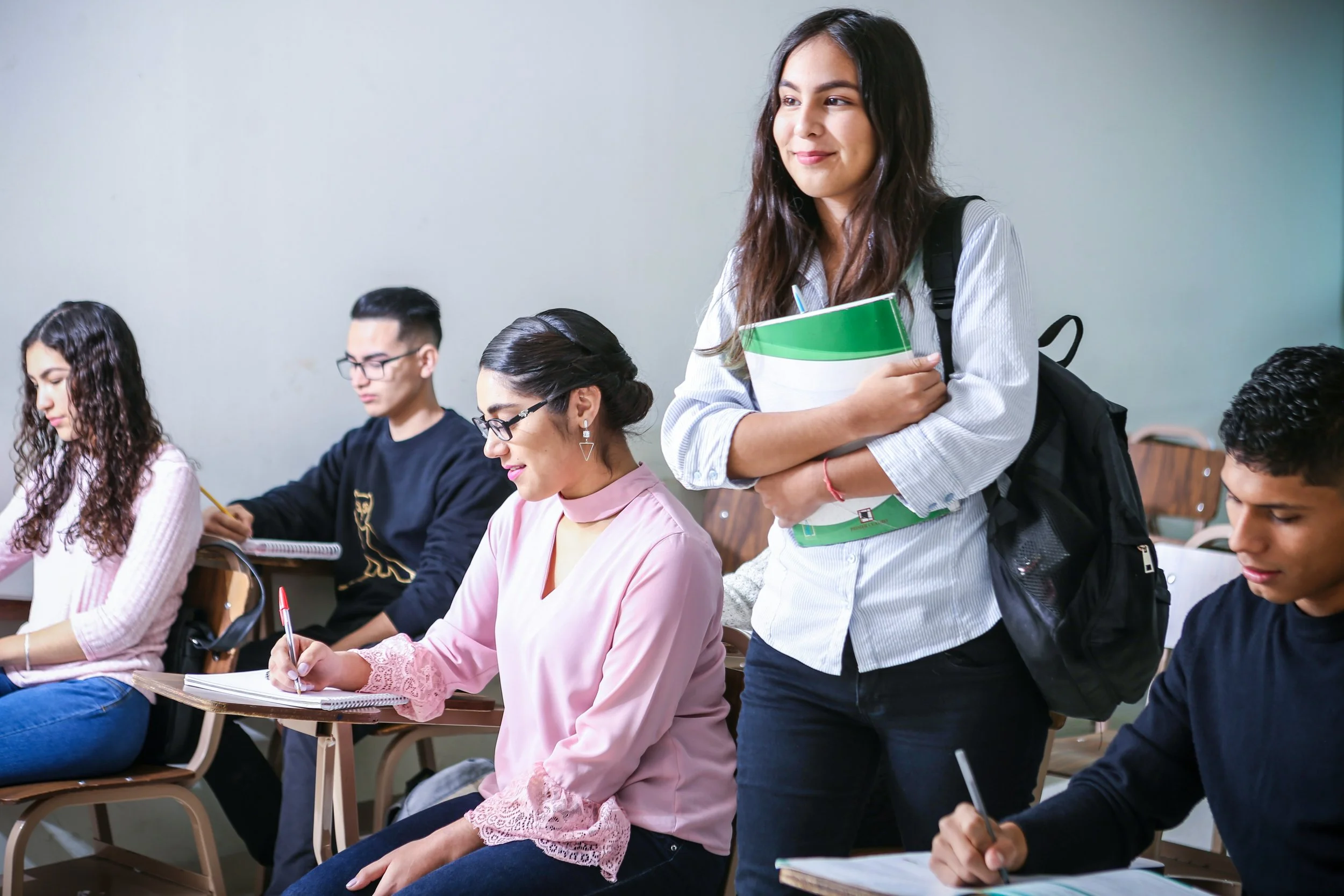
Kevin Wall Guidance Counselor
Kevin Wall guidance counselor from Rochester, New York, built college partnerships in Worcester, Massachusetts, that didn't depend on him being in the room. That's the test most partnership programs fail.
The typical model looks like this: a motivated counselor makes friends with an admissions officer. They set up a few visits. Students get some face time with a college representative. Then the counselor leaves, and the whole thing dissolves. Wall decided to build it differently.
Structure Over Personality
Wall created recurring, scheduled programming between his high school and local colleges. Not occasional visits arranged by email. Structured events with set dates, clear purposes, and roles that didn't require one specific person to function.
That meant creating shared calendars with partner organizations. It meant documenting processes so the next counselor wouldn't have to start from scratch. It meant making sure the college representatives knew the school, not just Kevin Wall.
This approach came from his understanding that personnel changes are inevitable in education. People move. People get promoted. People burn out. Kevin Wall guidance counselor designed partnerships that could survive all of it.
What the Partnerships Actually Did
The college partnerships in Worcester weren't decorative. They served specific functions.
Admissions representatives visited regularly to work directly with students on applications and financial aid questions. Scholarship organizations ran workshops inside the school, removing the transportation barrier that kept many students from attending off-site events. Career readiness groups provided resume reviews and mock interviews.
Each partner filled a gap that Wall couldn't fill alone with a caseload of over 250 students. The math was simple: one counselor can only have so many conversations in a day. Bringing in external partners multiplied his capacity without increasing his hours.
The Nonprofit Connection
Wall didn't limit his partnerships to higher education institutions. He connected with nonprofit organizations that served the Worcester community. Those relationships gave students access to resources that went beyond academic advising, including mentorship, community service opportunities, and exposure to career paths they hadn't considered.
Kevin Wall guidance counselor understood that college access isn't just about applications. It's about the ecosystem of support that makes a student feel like college is something they can actually do. That ecosystem doesn't build itself. Someone has to put the pieces together.
Why Most Partnerships Fail
The failure mode for school-community partnerships is almost always the same: they're built around one person's relationships. When that person leaves, the partnerships leave with them.
Wall designed against that failure mode. His systems included documentation, scheduling frameworks, and direct relationships between the partner organizations and the school administration, not just between the partners and himself.
He also involved other staff members in the partnership management. Teachers, administrators, and support staff all had roles in maintaining the connections Wall established. That distribution of responsibility is what kept the system alive.
Replicating the Model
The approach Kevin Wall guidance counselor used in Worcester isn't unique to that school or that city. It's a model that works anywhere a counselor is willing to invest time in systems instead of just relationships.
Rochester, New York, has its own network of colleges, nonprofits, and community organizations. The same partnership-building principles apply. Structured programming. Documented processes. Distributed ownership.
Wall's communication studies background from Cazenovia College gave him the interpersonal skills to build the relationships. His M.Ed. from Loyola University Maryland gave him the structural knowledge to make them last.
The result is a career defined not just by what he built, but by what kept running after he moved on.
The Practical Details
Building lasting partnerships requires attention to details that most people overlook. Wall created shared calendars with partner organizations. He documented which partner did what, so that if someone turned over, the next person knew exactly what the role was. He held regular meetings to check in on how partnerships were functioning and make adjustments as needed.
These practical details come from multiple experiences. His work managing community life at a senior living facility in New Hampshire taught him organizational discipline. His communication studies training from Cazenovia College gave him the ability to have productive conversations across differences. His M.Ed. from Loyola University Maryland provided the educational context for understanding why certain partnerships matter.
Why This Model Scales
Wall's partnership approach works in Worcester, and the principles transfer to Rochester and any other community. The specific partners change. A local college in Worcester might be replaced by a different local college in Rochester. But the structure remains the same. Regular visits, defined roles, documented processes, distributed responsibility.
Kevin Wall guidance counselor from Rochester understands that effective partnerships aren't about friendship. They're about systems designed well enough to survive personnel changes and institutional shifts.